The Ultimate Guide to Finding Your Perfect Pair of Running Shoes
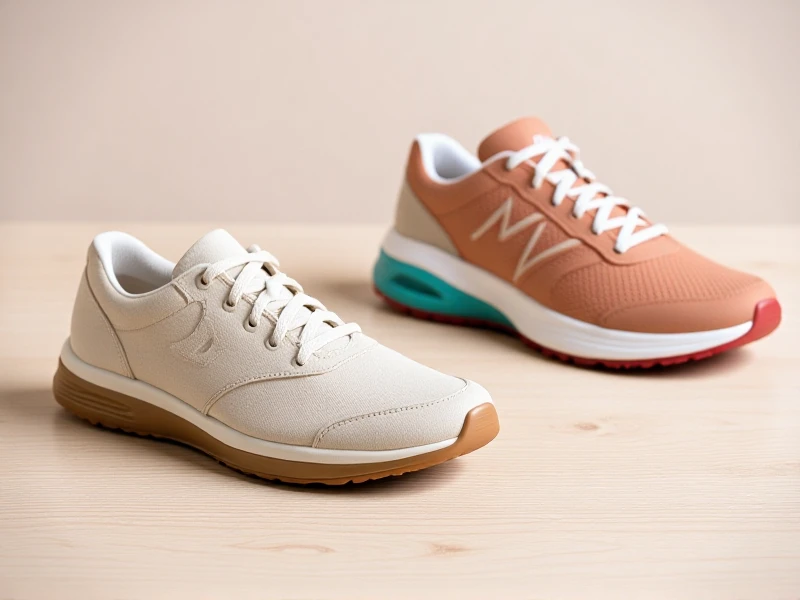
Finding the right running shoes isn't just about style; it's essential for comfort, performance, and injury prevention. Whether you're a daily pavement pounder, tackling trails on the weekend, or training for your next race, your running shoes are your most crucial piece of equipment. Understanding the basics helps you invest wisely.
Anatomy of Performance: Modern running shoes are engineering marvels. The upper provides breathability and a secure fit, often using lightweight mesh. Underfoot, the midsole delivers critical cushioning and shock absorption through materials like EVA foam, PU foam, or cutting-edge compounds like Pebax. Responsiveness and energy return are key attributes here. The outsole's durable rubber offers traction and durability against asphalt or dirt.
Choosing Your Perfect Running Shoe: Consider these factors:
- Foot Type & Gait: Do you overpronate (foot rolls inward), underpronate (rolls outward), or have a neutral stride? Many specialty stores offer gait analysis. Stability or motion control shoes often help overpronators, while neutral runners enjoy a wider cushioning variety.
- Running Terrain: Road shoes prioritize cushioning and flexibility. Trail running shoes feature aggressive lugs for grip, a protective plate for rocks, and often a stiffer build for uneven ground. Cross-trainers or versatile daily trainers bridge the gap.
- Fit is Paramount: Always try shoes on in the afternoon when your feet are most swollen. Ensure ample toe room (about a thumb's width), a secure heel lockdown, and a comfortable midfoot. Walk and ideally jog around the store. Sizing varies by brand and model!
- Cushioning Level: Preferences range from highly cushioned, max-comfort shoes ideal for longer distances, to more responsive, minimally cushioned options that give a "connected" feel to the ground. Consider your typical run length and any joint sensitivity.
- Protection & Weight: Features like rock plates or water-resistant uppers add weight but enhance protection on trails. Racers prioritize minimal weight for speed. Daily trainers balance both.
Maintaining Your Investment: Rotate between two pairs to extend their life and allow materials to decompress. Replace your running shoes every 300-500 miles – worn-out cushioning increases injury risk. Clean uppers gently and let them air dry naturally, avoiding direct heat.
Investing time in finding the ideal running shoes pays immense dividends. They transform running from a chore to a joy, protect your body mile after mile, and help you reach your goals. Visit a reputable running store for expert advice and start discovering the difference the right pair makes. Your next run awaits!