The Ultimate Guide to Choosing Running Shoes for Peak Performance
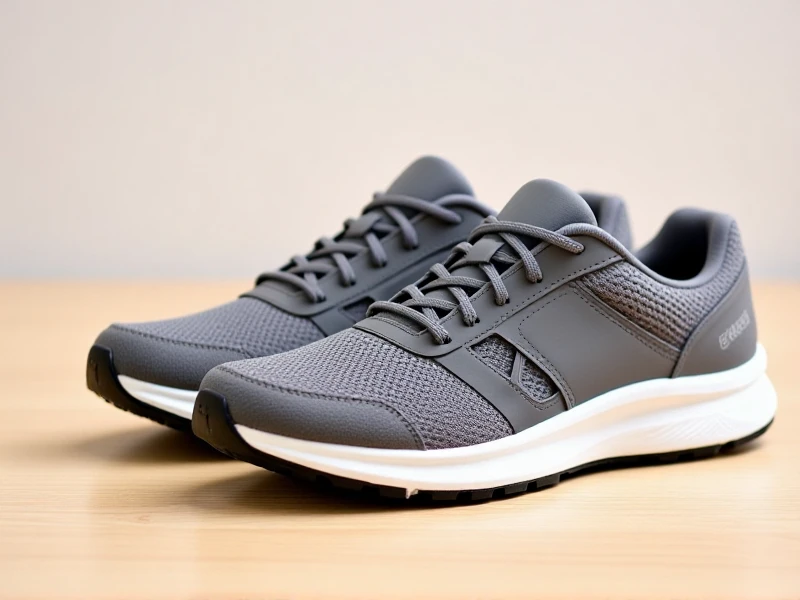
Finding the perfect running shoes isn't about chasing the latest trend or the flashiest colors. It directly impacts your comfort, efficiency, and even injury risk during every stride. With so many options lining store shelves and online retailers, navigating the selection can feel overwhelming. Let's break down the essential elements to guide you towards the pair that will empower your runs.
First and foremost, support and stability are critical. Your foot's natural motion – especially whether you overpronate (roll inward excessively) or supinate (roll outward) – significantly influences the type of support you need. Visit a specialty running store for a gait analysis; professionals can observe your stride on a treadmill and recommend shoes designed to correct or accommodate your movement pattern, maximizing comfort and reducing stress on joints.
Cushioning is another pivotal factor. The amount you need depends largely on:
- Your Body Weight: Heavier runners generally favor more cushioning to absorb greater impact per step.
- The Type of Surfaces You Run On: Asphalt and concrete demand more cushioning than softer trails or tracks.
- Your Distance Goals: Marathon training typically benefits from more cushioning than short sprints.
- Personal Preference: Some crave a plush, cloud-like feel, while others prefer a firmer, more responsive connection to the ground (a 'faster' feel). Advanced foam compounds in modern running shoes offer incredible energy return without excessive bulk or weight.
Additionally, fit reigns supreme. Running shoes should fit slightly differently than your casual shoes. Ensure there's roughly a thumb's width of space between your longest toe (often the big toe) and the end of the shoe. The heel should be snug but not tight, locking your foot in place without rubbing. Your foot should feel securely held in the midfoot, with enough width across the ball to avoid pinching. Always try on shoes wearing your running socks and ideally later in the day when feet are naturally slightly swollen. Walk and, if possible, jog around the store.
Durability, primarily determined by the outsole rubber's placement and quality, is crucial for longevity and performance. High-wear areas like the heel and forefoot need sturdy, resilient rubber. Weight matters, too – lighter shoes generally contribute to faster times, especially for racing, while heavier shoes often offer more protection for long distances or rugged terrain (trail shoes).
Top manufacturers continuously innovate with cutting-edge materials. Breathable mesh uppers keep feet cool, while supportive overlays provide structure. Advanced thermoplastic urethane (TPU) plates are incorporated into racing shoes for propulsion, while sophisticated foams offer lightweight cushioning and remarkable energy return. Prioritize function over fleeting aesthetics.
For runners seeking the ideal balance of innovation, support, and peak performance through advanced foam technology and expert engineering, explore the latest curated collections from leading manufacturers available in our store. The right shoes are your most essential piece of gear. Invest the time to find your perfect match and start performing better, run after run. What key features drive your running shoe choice?